
Record High Active Companies
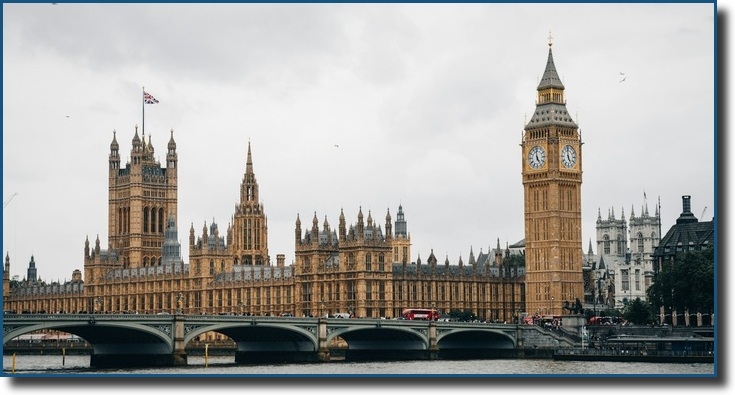
Over 5 Million Active Companies
Labour with a 33.7 % vote share became a commanding parliamentary majority, even though two-thirds of the electorate did not vote for the party. Following their landslide victory in July 2024, the Labour government moved quickly to introduce a sweeping agenda of reforms within their first 100 days, aiming to “turn the page” on 14 years of Conservative governance. While some reforms were immediate, many were designed as part of a “phased approach” to be fully implemented over the coming years.
In 2024, there was a record high of over 5.6 million active companies in the UK, with roughly 846,000 new businesses launched during that year. While business births fell slightly in 2023 to around 316,000-337,000, new business activity remained strong, with London leading and sectors like property and food services growing.
200,000 Businesses Closed
More than 200,000 businesses have closed since Rachel Reeves was put in charge of the British economy. That’s more than 770 a day . Based on data from early 2025, over 200,000 businesses in the UK reportedly folded or closed since the Labour government assumed power in 2024, amid concerns regarding tax policies. Reports indicate a challenging environment for SMEs, with roughly 83,425 closures in Q1 2025 alone and significant insolvency notices.
2025 16,500 Millionaires Left The UK
Provisional data from the Henley Private Wealth Migration Report 2025 indicates a record-breaking net loss of approximately 16,500 of millionaires from the UK in 2025, the highest globally. This departure represents roughly 1% of the UK’s high-net-worth individual population, driven by tax changes, political uncertainty, and the abolition of non-dom status.
The UK abolished the long-standing non-domiciled (non-dom) tax regime effective April 6, 2025, replacing it with a new residence-based system. From this date, all UK residents, regardless of domicile status, are taxed on their worldwide income and gains as they arise. The new regime offers a 4-year foreign income and gains (FIG) exemption for new arrivals.
Key Details Regarding The Record High Include:
Sector Growth: Property businesses saw the largest increase (+38%), followed by takeaway shops and food stalls (+14%), and management consultancy firms (+11%).
Incorporations: The first quarter of 2024 saw the highest number of new company formations in five years, with 248,000, though this figure dropped to 184,000 by Q4.
E-commerce: Despite a slight decline, retail via mail order or the internet remained a top sector for new incorporations.
High Number Of Business Closures
Since the Labour Party took power in July 2024, the UK business landscape has seen a high number of closures, particularly within the retail, hospitality, and manufacturing sectors. Data up to early 2025 indicates a significant, and in some sectors accelerating, trend of insolvencies, with over 13,000 high street shops closing in 2024.
Below are the types of businesses and specific examples of firms that have shut down, restructured, or entered administration since July 2024:
1. Retailers and High Street Stores
Retail has been heavily impacted by high operating costs and inflation, with 2025 predicted to see as many as 17,350 further shop closures.
Major Retail Chains: Homebase (65 outlets shuttered in 2025), Ted Baker (all 46 UK stores closed), The Body Shop (significant restructuring/closures), Carpetright (collapsed, closing most stores).
Independent Shops: Over 11,000 independent retailers closed in 2024, representing a 45.5% jump in failures.
Other Retailers: Poundland (multiple store closures), Clarks (closures throughout 2024), Morphe (closed 7 UK stores), and The Works (selected branch closures).
Supermarkets/Convenience: Morrisons (closed 17 smaller convenience stores, along with in-store cafes and counters).
2. Hospitality, Pubs, and Leisure
Hospitality has suffered, with rising National Insurance, wage increases, and reduced business rate relief cited as major factors.
- Pubs: Over 400 pubs closed in England and Wales in 2024, with the total number falling below 39,000.
- Restaurants: TGI Fridays (entered administration in Sept 2024), Wildwood (closed 14 branches), Yo! Sushi (closed several sites to move toward a kiosk model).
- Nightclubs: Rekom (operator of Pryzm and Atik, closed 17 venues).
- Hotels: Maidstone Mercure Hotel was added to a list of closures.
3. Construction and Manufacturing
The manufacturing sector has been affected by high energy costs and restructuring.
- Construction: ISG (the UK’s 6th biggest construction firm) collapsed in late 2024, resulting in thousands of job losses.
- Manufacturing: Hotpoint (closed a Bristol factory, 140 jobs lost), Speyside Distillery (closed in late 2024), Earle Group (tile-maker, four companies in administration).
- Specialised Manufacturing: Reports of local closures including a bra manufacturer, food blender manufacturer, and a dog kennel.
4. Other Sectors
- Banking: 441 banks closed in 2024, restricting services for those without internet access.
- Charity: Hundreds of charity shops have reported difficulties, with many shutting down in 2025.
- Logistics: Getir (grocery delivery firm) pulled out of the UK market, costing over 1,500 jobs.
- Service & Retail: Claire’s Accessories (collapsed into administration, Aug 2025).
Key Drivers of Closures
Industry experts have linked these closures to several factors, including:
- Autumn Budget 2024 Measures: Increases in Employers’ National Insurance contributions (from 13.8% to 15%) and the reduction of business rates relief.
- National Minimum Wage Increase: A 6.7% increase (to £12.21/hour) placing pressure on high-staffing sectors.
- Cost-of-Living Crisis: Reduced consumer spending impacting revenue.
- Shift to Online Shopping: Continued decline in traditional high-street footfall.
Note: While some sources indicate a surge in insolvencies, others report that on an annual basis, the 2024 “death rate” of businesses was the lowest since 2016, with 280,000 closing against 317,000 opening.
Ref: | The House of Commons Library | Ref: UK Parliament. | Forbes Burton | Antony Batty | ONS | Companies House | Henley Private Wealth | Migration Report 2025 |
The information provided on this site is for general informational purposes only and does not constitute professional advice. Use of any information is solely at your own risk. We also accept no responsibility or liability for the personal opinions published in views, blog posts, opinion pieces or articles that comprise opinion pieces.